
Unlocking the Power of Modular Water Treatment: A Comprehensive Guide
Unlocking the Power of Modular Water Treatment: A Comprehensive Guide
Table of Contents
- 1. Introduction to Modular Water Treatment
- 2. Advantages of Modular Water Treatment Systems
- 3. How Modular Water Treatment Systems Work
- 4. Applications of Modular Water Treatment in Various Industries
- 5. Comparative Analysis: Modular vs. Traditional Systems
- 6. Future Trends in Modular Water Treatment Technology
- 7. Real-world Case Studies: Success Stories
- 8. Frequently Asked Questions about Modular Water Treatment
- 9. Conclusion
1. Introduction to Modular Water Treatment
Modular water treatment systems are revolutionizing the landscape of wastewater management. These advanced solutions offer flexibility, efficiency, and scalability, making them suitable for a variety of applications, from municipal projects to industrial facilities. By harnessing the power of modular design, we can address the growing challenges of water scarcity and environmental compliance more effectively than ever before.
The essence of modular water treatment lies in its ability to provide customized solutions tailored to specific needs. Each module functions independently, allowing for easy expansion and modification as requirements evolve. This adaptability is pivotal in a world where water management demands are continuously changing.
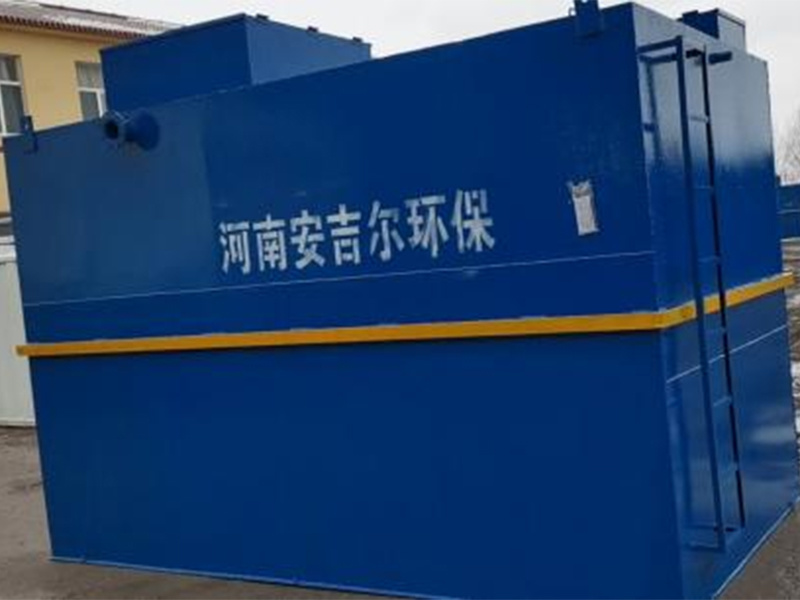
2. Advantages of Modular Water Treatment Systems
Modular water treatment systems provide numerous advantages that set them apart from traditional wastewater treatment methods.
2.1 Scalability and Flexibility
One of the most significant benefits of modular water treatment systems is their scalability. Operators can start with a small installation and add more modules as demand increases, optimizing capital expenditure and minimizing operational risks. This flexibility is especially beneficial for facilities experiencing fluctuating water treatment needs.
2.2 Reduced Footprint
Modular systems are designed to occupy less space than traditional treatment plants. Their compact design makes them ideal for urban environments or locations with limited real estate availability. By utilizing vertical space and innovative layouts, these systems can efficiently treat wastewater without requiring extensive land resources.
2.3 Cost-Effectiveness
Investing in modular systems often leads to lower upfront costs and reduced long-term operational expenses. The ability to scale operations means that companies can avoid over-investing in infrastructure that is not immediately necessary. Additionally, the enhanced efficiency of modular systems typically results in lower energy and maintenance costs.
2.4 Enhanced Performance
Modular systems are engineered for high efficiency. By focusing on specific treatment processes, these systems can achieve superior performance in terms of contaminant removal and water quality. The use of advanced technologies, such as membrane bioreactors and integrated fixed-film systems, contributes to this enhanced efficiency.
3. How Modular Water Treatment Systems Work
Modular water treatment systems operate through coordinated modules that can perform various treatment functions, including screening, biological treatment, filtration, and disinfection.
3.1 Treatment Process Breakdown
The typical process involves multiple stages, beginning with **pre-treatment**, where large solids are removed through screening or grit removal. Following this, **biological treatment** occurs, utilizing aerobic or anaerobic processes to break down organic matter.
In the next stage, **filtration** is employed to remove remaining particulates, followed by **disinfection**, where pathogens are eliminated using technologies such as UV light or chemical agents. Each module in this process can be optimized for its specific function, allowing for maximum efficiency and effectiveness.
3.2 Integration and Monitoring
Modern modular systems can be integrated with smart technology, allowing for real-time monitoring and control of the treatment process. This integration enables operators to make informed decisions based on current data, optimizing operations and ensuring compliance with environmental regulations.
4. Applications of Modular Water Treatment in Various Industries
Modular water treatment systems are versatile and can be utilized across various sectors.
4.1 Municipal Wastewater Treatment
Cities and towns can benefit immensely from modular systems, particularly in regions facing rapid population growth. These systems can be deployed quickly to address urgent wastewater treatment needs without the lengthy construction timelines associated with traditional plants.
4.2 Industrial Applications
Industries such as manufacturing, food processing, and pharmaceuticals generate substantial amounts of wastewater that require treatment. Modular systems provide a tailored approach, meeting specific regulatory requirements while maintaining high efficiency.
4.3 Remote and Temporary Facilities
In scenarios where water treatment is necessary but infrastructure is lacking—such as during natural disasters, construction sites, or temporary military installations—modular systems can be rapidly deployed to provide essential services until permanent solutions are established.
4.4 Agricultural Use
Agriculture requires effective water management, particularly for irrigation and livestock operations. Modular treatment systems can recycle and treat water for agricultural purposes, ensuring sustainable practices and reduced freshwater dependency.
5. Comparative Analysis: Modular vs. Traditional Systems
When evaluating modular water treatment systems against traditional methods, several factors emerge.
5.1 Capital Investment
Modular systems generally have lower initial capital investment requirements compared to traditional plants. The ability to scale operations aligns capital expenditures with actual needs, reducing financial risk.
5.2 Installation Time
The modular approach allows for faster installation times, minimizing disruptions and accelerating project timelines. Traditional systems often involve lengthy construction processes, leading to delays in operational readiness.
5.3 Maintenance and Operation
Routine maintenance for modular systems tends to be simpler, as each module can be serviced independently. In contrast, traditional systems can be more complex, with interdependent components that require a more significant investment of time and resources for maintenance.
6. Future Trends in Modular Water Treatment Technology
As technology advances, modular water treatment systems are poised for significant evolution.
6.1 Automation and AI Integration
The future will likely see increased integration of artificial intelligence and automation in modular systems. These technologies can enhance efficiency, predict maintenance needs, and optimize treatment processes in real-time.
6.2 Sustainability Practices
With a growing emphasis on sustainability, future modular systems will increasingly focus on minimizing energy consumption and employing eco-friendly materials. Innovations such as closed-loop systems and renewable energy integration will become more prevalent.
6.3 Enhanced Treatment Technologies
The development and implementation of cutting-edge treatment technologies will continue to shape modular water treatment. Advances in membrane technology, advanced oxidation processes, and bioreactor designs will enable even more effective contaminant removal and water quality improvement.
7. Real-world Case Studies: Success Stories
Examining real-world applications of modular water treatment systems underscores their effectiveness.
7.1 Municipal Success in City X
In City X, a modular water treatment facility was implemented to meet growing population demands. The project not only achieved compliance with regulatory standards but also improved water quality and reduced operational costs by 30%.
7.2 Industrial Application in Factory Y
Factory Y adopted a modular water treatment solution that utilized advanced membrane bioreactor technology. The facility reported a 50% reduction in water usage and achieved zero liquid discharge, showcasing the potential for sustainable industrial processes.
8. Frequently Asked Questions about Modular Water Treatment
8.1 What is a modular water treatment system?
A modular water treatment system consists of pre-manufactured, self-contained units that can be combined to meet specific water treatment needs. They offer flexibility and scalability compared to traditional systems.
8.2 How do modular systems compare in cost to traditional systems?
Modular systems typically have lower upfront costs and reduced operational expenses due to their scalability and efficiency, making them a more cost-effective solution.
8.3 Can modular systems be used for industrial wastewater treatment?
Yes, modular systems are highly adaptable and can be customized for various industrial applications, efficiently treating wastewater while meeting regulatory standards.
8.4 How quickly can modular systems be deployed?
Modular systems can be deployed much more rapidly than traditional treatment plants, often requiring only a fraction of the time for installation and commissioning.
8.5 What are the environmental benefits of modular water treatment?
Modular systems are designed to minimize energy consumption, reduce waste, and promote sustainable water management practices, making them an environmentally friendly solution.
9. Conclusion
Modular water treatment systems represent a significant advancement in how we manage and treat wastewater. Their flexibility, efficiency, and scalability make them an ideal solution for a wide range of applications. As we face increasing challenges related to water scarcity and environmental compliance, embracing these innovative systems will be essential for sustainable water management. By unlocking the power of modular water treatment, we not only enhance our ability to treat wastewater but also contribute to a more sustainable future for generations to come.

Phone/WhatsApp:
Email:
About Us
Jingter environmental protection is a professional engaged in water treatment equipment and environmental protection equipment, research and development,production, sales, technical services and engineering contracting company
HUATAO GROUP


Leave Message
If you have any queries about us or our product(s), feel free to drop us a message.