
The Future of Filtration Purification Technologies in Industry: Innovations and Trends
The Future of Filtration Purification Technologies in Industry
As industries worldwide face escalating demands for cleaner processes and sustainable practices, filtration purification technologies are at the forefront of innovation. From manufacturing to wastewater treatment, the future of these technologies is not only promising but also pivotal for operational efficiency and environmental stewardship. In this extensive exploration, we delve into the latest advancements, emerging trends, and the transformative impact of filtration purification technologies across various sectors.
Table of Contents
- 1. Introduction to Filtration Purification Technologies
- 2. Importance of Filtration in Industrial Applications
- 3. Current Trends in Filtration Technologies
- 4. Innovations Driving the Future of Filtration
- 5. The Role of Sustainability in Filtration Technologies
- 6. Applications of Advanced Filtration Purification Technologies
- 7. Challenges Facing the Filtration Industry
- 8. Future Outlook: What Lies Ahead for Filtration Technologies
- 9. Frequently Asked Questions
- 10. Conclusion
1. Introduction to Filtration Purification Technologies
Filtration purification technologies encompass a wide range of methods used to separate and remove contaminants from various substances, including air, water, and industrial fluids. **These technologies play a vital role in ensuring product quality, safeguarding equipment, and protecting the environment.** As regulations tighten and public awareness grows regarding pollution and resource management, industries are increasingly turning to advanced filtration solutions.
2. Importance of Filtration in Industrial Applications
The importance of filtration in industrial applications cannot be overstated. **Effective filtration systems** improve operational efficiency, reduce downtime, and enhance product quality. Industries such as pharmaceuticals, food and beverage, and energy production rely heavily on filtration technologies to meet stringent regulations and consumer expectations.
2.1 Enhancing Product Quality
In industries where purity is paramount, such as pharmaceuticals, filtration ensures that products are free from contaminants. For example, the use of high-efficiency particulate air (HEPA) filters in clean rooms prevents airborne particles from compromising sensitive manufacturing processes.
2.2 Reducing Maintenance Costs
Regularly maintained filtration systems can significantly reduce maintenance costs by preventing equipment wear and tear. **By capturing particulates and impurities**, these systems extend the lifespan of machinery, thereby reducing the frequency of repairs and replacements.
3. Current Trends in Filtration Technologies
As we move deeper into the 21st century, several trends are emerging in filtration purification technologies. **These trends are not only enhancing the effectiveness of filtration systems but are also making them more accessible and cost-effective for various industries.**
3.1 Integration of IoT in Filtration Systems
The integration of the Internet of Things (IoT) is revolutionizing filtration technologies. **Smart filtration systems** equipped with sensors can monitor performance in real-time, predict maintenance needs, and optimize filtration processes based on data analytics. This proactive approach minimizes downtime and maximizes efficiency.
3.2 Adoption of Advanced Materials
New materials, such as nanofibers and membranes, are gaining traction for their superior filtration capabilities. **These advanced materials can filter out smaller particles and contaminants**, making them ideal for industries requiring high levels of purity.
4. Innovations Driving the Future of Filtration
Innovation is the lifeblood of the filtration industry. Several pioneering technologies are emerging, poised to change the landscape of filtration purification.
4.1 Membrane Filtration Technology
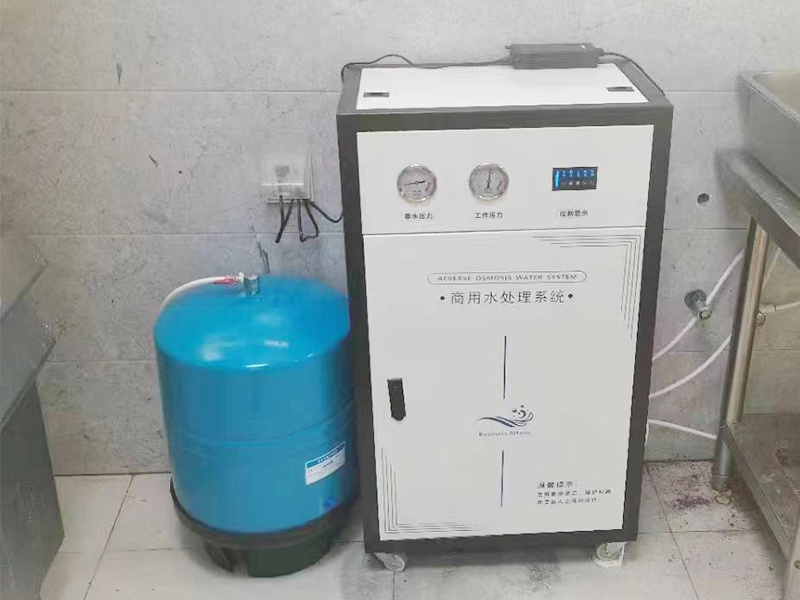
Membrane filtration technology, which includes microfiltration, ultrafiltration, nanofiltration, and reverse osmosis, is becoming increasingly popular due to its effectiveness in reducing contaminants at various levels. **This technology is particularly effective in water treatment**, providing high-quality potable water and enabling the recycling of wastewater.
4.2 Electrodialysis and Capacitive Deionization
Electrodialysis uses an electric field to move ions through selective ion-exchange membranes, while capacitive deionization removes ions from water using an electric field. **Both methods are gaining popularity** for their efficiency and lower energy consumption compared to traditional methods.
5. The Role of Sustainability in Filtration Technologies
Sustainability is a crucial factor in the development of filtration technologies. As industries seek to minimize their environmental impact, filtration systems are being designed with sustainability in mind.
5.1 Waste Reduction
Modern filtration systems are designed to maximize waste reduction. **By effectively removing contaminants**, they ensure that less waste is produced and that existing resources are used more efficiently. This aligns with global sustainability goals and regulatory requirements.
5.2 Energy Efficiency
Energy-efficient filtration technologies are also on the rise. **Innovations that reduce energy consumption** during the filtration process contribute to lower operational costs and a smaller carbon footprint, making them an attractive option for industries aiming to improve their sustainability practices.
6. Applications of Advanced Filtration Purification Technologies
The applications of advanced filtration purification technologies are vast and varied, impacting numerous sectors.
6.1 Water Treatment and Purification
Water treatment is perhaps the most critical application of filtration technologies. From municipal water supply to industrial wastewater treatment, advanced filtration methods ensure that water meets health and safety standards. **Technologies like reverse osmosis and ultrafiltration** are commonly employed to purify water and remove harmful contaminants.
6.2 Air Filtration in Industrial Processes
Air filtration plays a vital role in maintaining indoor air quality and protecting the health of workers. **Industries such as manufacturing, pharmaceuticals, and food processing** utilize high-efficiency filters to capture airborne pollutants and ensure a safe working environment.
6.3 Pharmaceutical and Biotechnology Industries
In the pharmaceutical sector, filtration technologies are crucial for ensuring product integrity and compliance with regulatory standards. **Sterile filtration processes** remove contaminants without compromising product quality, ensuring safe and effective medications.
7. Challenges Facing the Filtration Industry
Despite the rapid advancements in filtration purification technologies, there are still significant challenges that the industry must address.
7.1 Regulatory Compliance
As regulations regarding environmental protection and product safety become more stringent, companies must continuously adapt their filtration technologies to meet these requirements. **Staying ahead of regulatory changes** can be challenging but is essential for maintaining market competitiveness.
7.2 Cost Constraints
Implementing advanced filtration systems can require substantial investment. **Many businesses face budget constraints** that limit their ability to adopt the latest technologies. Finding cost-effective solutions while maintaining high standards is a perennial challenge in the industry.
8. Future Outlook: What Lies Ahead for Filtration Technologies
The future of filtration purification technologies is bright, with continual advancements on the horizon. As industries increasingly prioritize sustainability and efficiency, the demand for innovative filtration solutions will only grow.
8.1 Research and Development
Ongoing research and development will play a critical role in driving future innovations. **Investments in new technologies** and materials promise to enhance filtration efficiency and effectiveness, leading to even greater improvements in industrial processes.
8.2 Global Collaboration
Global collaboration among researchers, manufacturers, and policymakers will be essential in addressing the challenges facing the filtration industry. **By working together**, stakeholders can share knowledge and resources, leading to the development of comprehensive solutions that benefit all.
9. Frequently Asked Questions
Q1: What are the most common types of filtration technologies?
A: The most common types include membrane filtration, activated carbon filtration, sedimentation, and centrifugation. Each type serves specific applications based on the contaminants being removed.
Q2: How do filtration systems contribute to sustainability?
A: Filtration systems help reduce waste and energy consumption, contributing to sustainability by maximizing resource efficiency and minimizing environmental impact.
Q3: What industries benefit most from advanced filtration technologies?
A: Industries such as pharmaceuticals, food and beverage, manufacturing, and water treatment heavily rely on advanced filtration technologies to ensure quality and compliance.
Q4: How can IoT improve filtration systems?
A: IoT integration allows for real-time monitoring and data collection, enabling predictive maintenance and optimization of filtration processes, ultimately enhancing efficiency and reducing downtime.
Q5: What are the challenges of adopting advanced filtration technologies?
A: Challenges include regulatory compliance, cost constraints, and the need for ongoing maintenance and support to ensure systems operate at peak efficiency.
10. Conclusion
The future of filtration purification technologies in the industry is poised for transformative growth. As **innovations continue to emerge**, and the importance of sustainability becomes increasingly recognized, businesses stand to gain significantly from adopting advanced filtration solutions. By embracing these technologies, industries can enhance operational efficiency, ensure product quality, and contribute positively to environmental stewardship. The journey ahead is filled with opportunities for those willing to invest in the future of filtration. Together, we can embrace these changes and lead the way toward a cleaner and more efficient industrial landscape.

Phone/WhatsApp:
Email:
About Us
Jingter environmental protection is a professional engaged in water treatment equipment and environmental protection equipment, research and development,production, sales, technical services and engineering contracting company
HUATAO GROUP


Leave Message
If you have any queries about us or our product(s), feel free to drop us a message.