
Case Studies: Success Stories of Modular Water Treatment Implementations
Case Studies: Success Stories of Modular Water Treatment Implementations
Table of Contents
- Introduction to Modular Water Treatment Systems
- Importance of Modular Water Treatment in Industry
- Case Study 1: Industrial Plant Wastewater Treatment
- Case Study 2: Municipal Wastewater Management
- Case Study 3: Agricultural Runoff Treatment
- Case Study 4: Remote Community Water Supply
- Case Study 5: Oil and Gas Industry Solutions
- Benefits of Modular Water Treatment Systems
- Conclusion
- Frequently Asked Questions
Introduction to Modular Water Treatment Systems
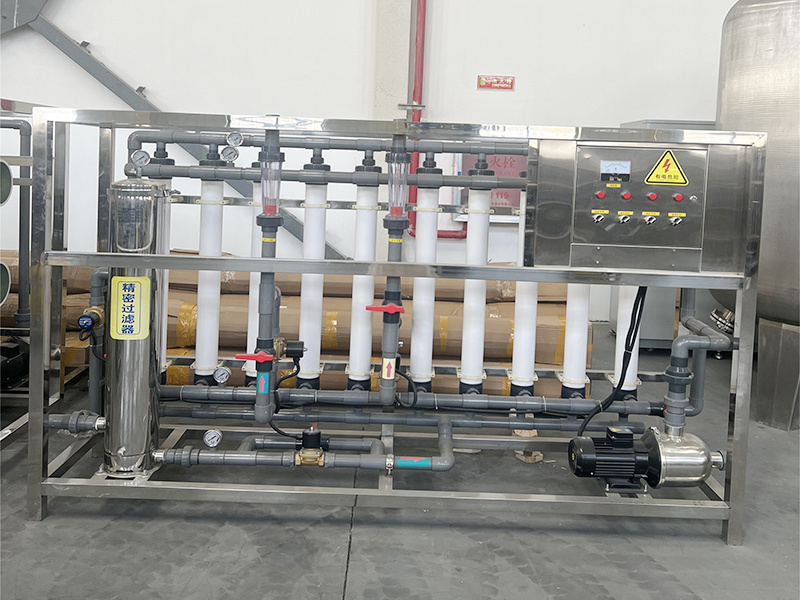
Modular water treatment systems have emerged as a game-changer in the field of wastewater management. These systems offer the flexibility and scalability needed to address the diverse challenges associated with water treatment. Unlike traditional systems, modular solutions can be easily expanded or reconfigured to meet changing demands, making them ideal for various applications in industrial, municipal, and agricultural settings.
As water scarcity and pollution grow increasingly concerning, industries are seeking efficient, cost-effective ways to manage their wastewater. Modular water treatment systems provide an innovative approach that not only meets regulatory requirements but also enhances operational efficiency.
Importance of Modular Water Treatment in Industry
The significance of modular water treatment systems cannot be overstated. With the rise of environmental regulations, industries must find sustainable ways to handle their wastewater. Modular systems offer numerous advantages:
- **Scalability**: These systems can be easily scaled up or down based on the specific needs of a facility, making them ideal for fluctuating demand.
- **Cost-Effectiveness**: Initial investments are lower compared to traditional systems, and ongoing operational costs can also be reduced.
- **Flexibility**: Modular systems can be customized to treat different types of wastewater, allowing for a tailored solution to meet unique challenges.
- **Quick Deployment**: They can be rapidly deployed, which is essential for industries that need immediate solutions to wastewater management issues.
Case Study 1: Industrial Plant Wastewater Treatment
A leading manufacturing plant faced challenges with its wastewater management system, which was outdated and unable to meet regulatory standards. The company opted for a modular treatment solution that could handle its specific wastewater composition, including high levels of organic contaminants.
The implementation involved installing a series of modular treatment units, each designed to target different contaminants effectively. Within a matter of weeks, the plant saw a **30% reduction in operational costs** and a marked improvement in water quality, allowing it to meet and exceed environmental regulations. The flexibility of the modular system also enabled the plant to scale operations as production demands increased.
Case Study 2: Municipal Wastewater Management
A small municipality struggled with capacity issues at its wastewater treatment facility. With population growth leading to increased wastewater flow, the existing infrastructure was inadequate. The local government decided to invest in a modular water treatment system to effectively manage the growing demand.
The installation of modular units allowed for a phased approach to expansion. As a result, the municipality could manage the wastewater flow without significant delays. The new system not only improved treatment efficiency but also contributed to a **40% reduction in energy consumption** compared to previous operations. This success story highlights how modular solutions can address community needs while promoting sustainability.
Case Study 3: Agricultural Runoff Treatment
A large agricultural operation faced significant challenges from runoff that contaminated local water sources. The operation implemented a modular water treatment system designed specifically for agricultural wastewater, focusing on nutrient removal and sediment management.
Through this system, the operation managed to reduce nutrient runoff by **over 50%**, significantly improving water quality in nearby rivers and lakes. The modular approach allowed for easy integration into existing farm practices, showcasing how agricultural operations can meet environmental responsibilities while maintaining productivity.
Case Study 4: Remote Community Water Supply
In a remote community with limited access to clean water, a modular water treatment system was introduced to address both wastewater treatment and drinking water supply. The compact design of the modular units made transportation and installation feasible in challenging terrains.
This innovative solution provided the community with a reliable source of clean drinking water and significantly improved sanitation conditions. The modular system required minimal maintenance and could be easily monitored, proving to be a sustainable solution for rural areas lacking infrastructure.
Case Study 5: Oil and Gas Industry Solutions
An oil and gas company faced stringent regulations on wastewater discharge. To comply, the company implemented a modular water treatment system capable of treating produced water, which contains high levels of hydrocarbons and salts.
The modular units were designed to handle the specific contaminants associated with oil and gas production. After the installation, the company achieved compliance with local discharge regulations and noted a **significant reduction in treatment time**, which allowed for quicker recycling of water back into operations. This case study emphasizes the adaptability of modular systems to meet the complex needs of the oil and gas sector.
Benefits of Modular Water Treatment Systems
Modular water treatment systems provide a host of benefits that make them an attractive option for various industries:
- **Environmental Compliance**: Achieving and maintaining compliance with environmental regulations is crucial. Modular systems help facilities ensure they meet local and federal standards.
- **Reduced Footprint**: Modular units typically require less space than traditional systems, making them suitable for locations with limited real estate.
- **Enhanced Performance**: The specialized design of modular systems can lead to improved treatment performance, ensuring higher effluent quality.
- **Lower Maintenance Costs**: Many modular systems are designed for ease of maintenance, translating to lower operational costs over time.
- **Innovative Technologies**: Modular water treatment often incorporates the latest technologies, including advanced filtration and biological treatment methods, leading to more effective results.
Conclusion
In conclusion, the success stories of modular water treatment implementations demonstrate the transformative power of these innovative systems. From industrial plants to remote communities, modular solutions have proven to be adaptable, cost-effective, and efficient in addressing a wide range of water treatment challenges. As industries continue to prioritize sustainability and compliance, the demand for modular water treatment systems is likely to grow, paving the way for a cleaner, more responsible water management future.
Frequently Asked Questions
1. What are modular water treatment systems?
Modular water treatment systems are flexible and scalable solutions designed to treat various types of wastewater. They can be customized to meet the specific treatment needs of different industries.
2. How do modular systems compare to traditional water treatment systems?
Modular systems typically offer greater flexibility, lower initial costs, and faster deployment compared to traditional systems, making them an attractive option for many facilities.
3. Can modular water treatment systems be used in remote locations?
Yes, modular systems are designed for easy transportation and installation, making them suitable for remote or challenging locations.
4. What industries benefit the most from modular water treatment solutions?
Industries such as manufacturing, agriculture, oil and gas, and municipalities have all found significant benefits in implementing modular water treatment systems.
5. Are modular water treatment systems environmentally friendly?
Yes, modular systems can help facilities comply with environmental regulations, reduce wastewater discharge, and promote sustainable practices by utilizing advanced treatment technologies.

Phone/WhatsApp:
Email:
About Us
Jingter environmental protection is a professional engaged in water treatment equipment and environmental protection equipment, research and development,production, sales, technical services and engineering contracting company
HUATAO GROUP


Leave Message
If you have any queries about us or our product(s), feel free to drop us a message.