
Understanding the Science of Hotel Water Recycling Systems: A Comprehensive Guide
Understanding the Science of Hotel Water Recycling Systems
Water scarcity is an escalating global concern, and the hospitality industry is increasingly recognizing the importance of sustainability. In this comprehensive guide, we will explore the intricate mechanisms behind hotel water recycling systems, emphasizing their benefits, technologies, and implementation strategies.
The Significance of Water Recycling in the Hospitality Industry
In recent years, the hospitality sector has faced increasing pressure to adopt environmentally sustainable practices. Hotels consume vast amounts of water, and the value of recycling cannot be overstated.
Environmental Benefits of Water Recycling
By implementing water recycling systems, hotels can significantly reduce their water consumption, lower operational costs, and minimize their environmental footprint. Furthermore, recycling water for non-potable uses—such as irrigation and toilet flushing—contributes to overall water conservation efforts.
Compliance with Regulations and Standards
Many regions now mandate water conservation measures for commercial establishments, including hotels. By adopting water recycling systems, hotels not only comply with regulations but also position themselves as socially responsible entities. This proactive approach can enhance a hotel's reputation and attract environmentally conscious guests.
How Hotel Water Recycling Systems Work
Understanding the science behind water recycling systems is essential for hotel management and staff. These systems typically involve several stages of treatment to ensure that recycled water is safe and suitable for its intended use.
1. Collection of Wastewater
The first step in any water recycling system is the collection of wastewater from various sources within the hotel, including sinks, showers, and laundry facilities. This water often contains a mix of contaminants that must be carefully managed.
2. Pre-Treatment Processes
Before the water can be recycled, it undergoes several pre-treatment processes. These may include screening to remove large particles and sedimentation to separate heavier solids.
Physical Treatment Methods
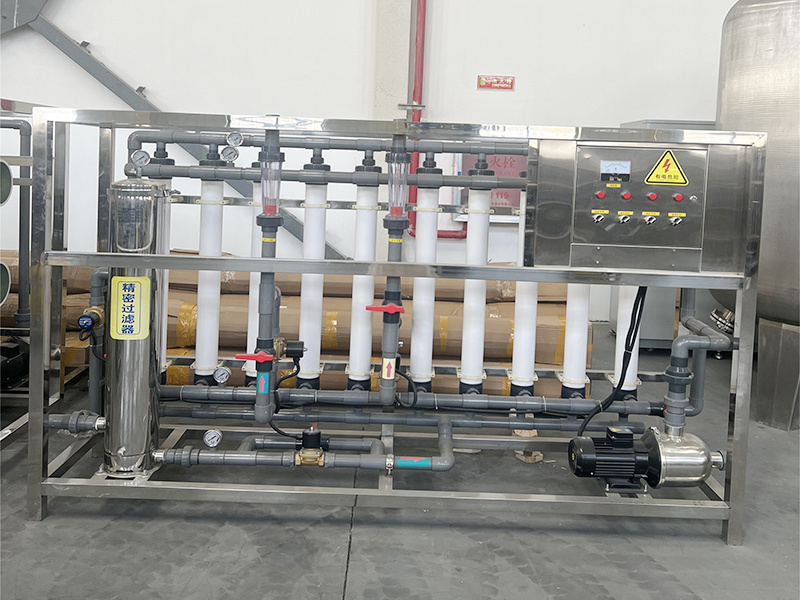
Physical treatment methods such as filtration are commonly employed to remove suspended solids. Advanced filtration technologies, like membrane filtration, can provide additional purification, ensuring that contaminants are minimized.
3. Biological Treatment
Following pre-treatment, biological treatment methods are used to break down organic matter. This process often involves the use of bacteria, which digest the contaminants in the water. Aeration tanks are commonly used for this purpose, providing the bacteria with the necessary oxygen to thrive.
Key Biological Treatment Techniques
- **Activated Sludge Process**: This widely used method involves aerating the wastewater to promote bacterial growth, which helps remove organic pollutants.
- **Membrane Bioreactors (MBR)**: MBR systems combine biological treatment and membrane filtration, resulting in high-quality effluent suitable for various reuse applications.
4. Advanced Treatment Processes
Once the water has undergone biological treatment, it may still require advanced treatment processes to ensure it meets health and safety standards. These processes may include:
Reverse Osmosis
Reverse osmosis is a sophisticated filtration technique that removes a wide range of contaminants, including dissolved salts and microorganisms. This process is crucial for producing high-quality recycled water.
Ultraviolet (UV) Disinfection
UV disinfection is an effective method for eliminating pathogens from recycled water. By exposing the water to UV light, harmful microorganisms are rendered inactive, ensuring that the water is safe for its intended use.
5. Final Filtration and Storage
After treatment, the recycled water is subjected to final filtration to remove any remaining particulates. It is then stored in dedicated tanks, ready for use in non-potable applications, such as irrigation, cooling systems, and toilet flushing.
Technological Innovations in Water Recycling Systems
The evolution of technology has significantly impacted water recycling systems, leading to increased efficiency and effectiveness. Here's a look at some recent innovations:
Smart Water Management Systems
Smart technology allows hotels to monitor water usage in real time, enabling more efficient management of water resources. These systems can automatically adjust water recycling processes based on demand, optimizing performance.
Decentralized Water Recycling Solutions
Decentralized systems offer hotels the flexibility to recycle water on-site, reducing the need for large infrastructure investments. These systems can be customized based on the hotel's size and specific water needs.
Integration with Renewable Energy Sources
By integrating solar panels or wind turbines with water recycling systems, hotels can reduce their energy consumption and carbon footprint. This approach not only supports sustainability but also lowers operational costs.
Implementing Water Recycling Systems in Hotels
The successful implementation of water recycling systems requires careful planning and consideration of various factors.
Assessing Water Needs
Before installing a recycling system, hotels must assess their water consumption patterns. Understanding peak usage times and water sources is crucial for designing an effective system that meets the hotel's needs.
Choosing the Right Technology
Selecting the appropriate technology for water recycling depends on several factors, including the hotel's size, budget, and specific water usage requirements. Consulting with water treatment experts can help identify the best options.
Staff Training and Engagement
Successful implementation also requires training staff on the new system's operation and maintenance. Engaging employees in sustainability initiatives can foster a culture of conservation within the hotel.
Monitoring and Maintenance
Regular monitoring and maintenance of water recycling systems are essential for ensuring optimal performance and longevity. Establishing a routine maintenance schedule can help prevent issues and maximize efficiency.
The Future of Hotel Water Recycling Systems
As water scarcity continues to be a pressing global issue, the adoption of water recycling systems in hotels will likely increase. The future holds promise for innovative technologies that further enhance the efficiency and effectiveness of these systems.
Advancements in Water Treatment Technology
Ongoing research and development in water treatment technologies will lead to more efficient and cost-effective solutions for hotels. Innovations such as nanotechnology and advanced filtration methods may revolutionize water recycling in the hospitality sector.
Regulatory Changes and Industry Standards
As governments and organizations recognize the importance of water conservation, we can expect to see stricter regulations and standards for water use in hotels. Proactively adopting water recycling systems will help hotels comply with these evolving requirements.
Conclusion
Understanding the science behind hotel water recycling systems is essential for the hospitality industry as it navigates the challenges of water scarcity and environmental sustainability. By implementing effective water recycling solutions, hotels can conserve resources, reduce operational costs, and enhance their reputation among eco-conscious travelers. The future of water recycling in hotels looks promising, driven by technological advancements and a growing commitment to sustainability. As we move forward, embracing these innovations will be key to creating a more sustainable hospitality industry.
FAQs about Hotel Water Recycling Systems
1. What types of water can be recycled in hotels?
Hotels can recycle water from sinks, showers, laundry, and even cooling systems. However, the suitability of water for recycling depends on the treatment processes used.
2. Are recycled water systems expensive to install?
While the initial investment can be significant, the long-term savings on water bills and potential government incentives can offset these costs.
3. How does recycled water affect guest experiences?
When properly treated, recycled water is safe for non-potable uses, such as irrigation and toilet flushing, and does not affect guest experiences negatively.
4. Can hotels use recycled water for drinking purposes?
Typically, recycled water is not used for drinking unless it undergoes extensive treatment and meets strict health standards.
5. What maintenance is required for water recycling systems?
Regular monitoring, cleaning of filters, and inspections of treatment processes are essential for ensuring optimal performance and longevity of the system.
Previous
Previous:

Phone/WhatsApp:
Email:
About Us
Jingter environmental protection is a professional engaged in water treatment equipment and environmental protection equipment, research and development,production, sales, technical services and engineering contracting company
HUATAO GROUP


Leave Message
If you have any queries about us or our product(s), feel free to drop us a message.