
Cutting Water Costs: The Impact of Hotel Water Recycling Systems
Cutting Water Costs: The Impact of Hotel Water Recycling Systems
Table of Contents
- Introduction to Water Recycling in Hotels
- The Importance of Water Conservation in Hospitality
- Benefits of Hotel Water Recycling Systems
- Financial Savings for Hotels
- Environmental Impact and Sustainability
- Enhancing Guest Experience through Sustainability
- Innovative Technologies for Water Recycling
- Real-World Case Studies of Successful Implementations
- Challenges in Implementing Water Recycling Systems
- The Future of Water Recycling in the Hospitality Industry
- Conclusion
- FAQs about Hotel Water Recycling Systems
Introduction to Water Recycling in Hotels
In an era where sustainability is paramount, hotels are increasingly seeking innovative solutions to reduce operational costs and environmental footprints. One of the most impactful strategies is the implementation of **water recycling systems**. These systems enable hotels to reclaim, treat, and reuse water, thus significantly cutting costs and promoting eco-friendly practices. Understanding the **impact of hotel water recycling systems** can provide a competitive edge in the hospitality industry.
The Importance of Water Conservation in Hospitality
Water is a vital resource for hotels, utilized in various operations such as laundry, kitchens, and landscaping. The rising costs of water and increasing restrictions on its usage underscore the need for effective water conservation strategies. By adopting water recycling systems, hotels can address these challenges head-on, showcasing their commitment to sustainability. Water conservation not only reduces expenses but also enhances the hotel's reputation among eco-conscious travelers.
Benefits of Hotel Water Recycling Systems
Implementing a water recycling system in hotels can yield an array of benefits that go beyond simple cost savings.
Financial Savings for Hotels
The most apparent benefit of water recycling systems is the **financial savings** they generate. By reclaiming and reusing water, hotels can significantly lower their water bills. Studies indicate that hotels can save up to 30% on water costs after installing a water recycling system. Furthermore, these systems reduce the need for expensive water treatment processes, leading to further savings in both time and money.
Environmental Impact and Sustainability
In addition to financial benefits, water recycling systems contribute positively to the environment. By reducing the demand for freshwater, hotels can help alleviate the strain on local water sources. Moreover, these systems decrease wastewater discharge, minimizing the environmental impact of hotel operations. Implementing such sustainable practices not only aids in conservation efforts but also positions hotels as leaders in the movement towards a greener hospitality sector.
Enhancing Guest Experience through Sustainability
Modern travelers are increasingly concerned about sustainability. By showcasing eco-friendly initiatives like water recycling, hotels can attract and retain customers who prioritize environmental responsibility. A commitment to sustainability can enhance the overall guest experience, leading to higher satisfaction rates and positive reviews. This, in turn, can translate into increased bookings and higher revenue.
Innovative Technologies for Water Recycling
The effectiveness of water recycling systems hinges on the technology employed. There are several innovative technologies available, each designed to optimize water reclamation processes.
Types of Water Recycling Systems
1. **Greywater Recycling Systems**: These systems treat and reuse water from sinks, showers, and laundry for non-potable purposes such as irrigation and toilet flushing.
2. **Rainwater Harvesting Systems**: Collecting and storing rainwater can supplement a hotel's water supply, reducing reliance on municipal sources.
3. **Advanced Filtration Systems**: Utilizing advanced filtration technology, these systems ensure that recycled water meets health and safety standards.
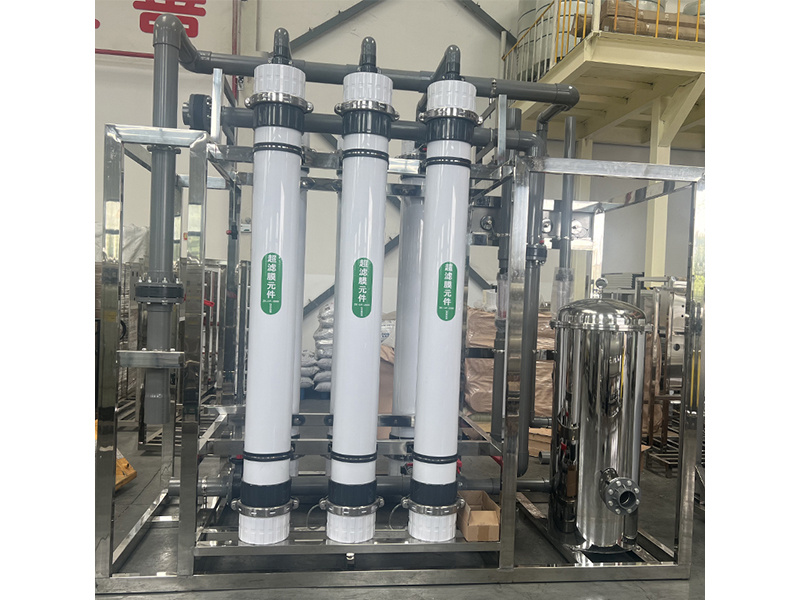
4. **Membrane Bioreactor Systems**: A sophisticated option, these systems combine biological treatment with membrane filtration, allowing for the reuse of highly treated water for various applications.
Implementing Water Recycling Systems in Hotels
Successful implementation of water recycling systems requires careful planning and execution. Hotels need to assess their specific water needs and identify the best technologies suited for their operations. Engaging with experts in the field can facilitate the selection and installation process.
Moreover, conducting a feasibility study can help measure the potential return on investment, ensuring that the chosen system aligns with the hotel's financial goals. Training staff on the new systems is also crucial to maximize efficiency and effectiveness.
Real-World Case Studies of Successful Implementations
Several hotels have successfully implemented water recycling systems, leading to significant benefits.
1. **The Hilton Los Angeles Airport**: By integrating a greywater recycling system, the hotel has achieved a 30% reduction in water usage, resulting in substantial cost savings and environmental benefits.
2. **The Four Seasons Hotel in San Francisco**: This hotel employs rainwater harvesting and advanced filtration systems, allowing them to reuse collected rainwater for irrigation and toilet flushing, cutting their water costs significantly.
3. **The Marriott Marquis in New York**: With a state-of-the-art water recycling system, this hotel has reduced its water consumption by an impressive 35%, showcasing the potential for large-scale implementations.
Challenges in Implementing Water Recycling Systems
While the benefits of water recycling systems are substantial, several challenges can arise during implementation.
- **Initial Investment Costs**: The upfront costs of installing water recycling systems can be significant, potentially deterring hotels from adopting such technologies.
- **Regulatory Compliance**: Navigating the regulatory landscape surrounding water reuse can be complex, as different regions have varying guidelines and standards.
- **Staff Training and Awareness**: Ensuring that staff are adequately trained to operate and maintain recycling systems is crucial for their success. Resistance to change can also hinder adoption.
The Future of Water Recycling in the Hospitality Industry
As water scarcity becomes a more pressing global issue, the future of water recycling in hotels looks promising. Advances in technology will likely lead to more efficient, cost-effective systems, making water recycling an increasingly viable option for hotels of all sizes. Moreover, as consumer preferences shift towards sustainable practices, hotels that adopt water recycling will not only secure financial savings but also improve their brand image and customer loyalty.
Sustainability initiatives will increasingly become a cornerstone of hotel operations, and water recycling systems will play a pivotal role in shaping the future of the hospitality industry.
Conclusion
Hotel water recycling systems represent a groundbreaking solution to the challenges posed by rising water costs and environmental responsibility. With the potential for substantial financial savings, enhanced guest experiences, and a positive environmental impact, these systems are a logical investment for hotels looking to thrive in a competitive market. By embracing innovative technologies and sustainable practices, hotels can cut water costs effectively while promoting a greener future for the hospitality industry.
FAQs about Hotel Water Recycling Systems
1. What is a water recycling system?
A water recycling system collects, treats, and reuses water for various applications, reducing the need for fresh water and minimizing wastewater discharge.
2. How much can hotels save by implementing water recycling systems?
Hotels can save approximately 30% or more on water costs after installing a water recycling system, depending on usage and system efficiency.
3. What types of water can be recycled in hotels?
Hotels can recycle greywater from sinks, showers, and laundry, as well as rainwater, for non-potable uses such as irrigation and toilet flushing.
4. Are water recycling systems safe?
Yes, modern water recycling systems use advanced filtration and treatment processes to ensure that recycled water meets health and safety standards.
5. How can hotels promote their water recycling initiatives to guests?
Hotels can promote their sustainability efforts through marketing, informational materials in guest rooms, and by engaging guests with eco-friendly initiatives during their stay.

Phone/WhatsApp:
Email:
About Us
Jingter environmental protection is a professional engaged in water treatment equipment and environmental protection equipment, research and development,production, sales, technical services and engineering contracting company
HUATAO GROUP


Leave Message
If you have any queries about us or our product(s), feel free to drop us a message.