
Step-by-Step Installation Guide for Your Modular Water Treatment System
Step-by-Step Installation Guide for Your Modular Water Treatment System
Modular water treatment systems offer flexibility, efficiency, and scalability for various applications, from municipal wastewater treatment to industrial processes. Installing such a system can seem daunting, but with the right guidance and preparation, the process can be straightforward and effective. This article serves as a **detailed guide** to help you set up your modular water treatment system step-by-step.
Table of Contents
1. Understanding Modular Water Treatment Systems
2. Pre-Installation Requirements for Modular Systems
- 2.1 Conducting a Site Assessment
- 2.2 Permitting and Regulatory Compliance
3. Equipment and Tools Needed for Installation
4. Step-by-Step Installation Process
- 4.1 Foundation Preparation
- 4.2 Placing the Modular Units
- 4.3 Connecting Piping and Valves
- 4.4 Making Electrical Connections
- 4.5 Final Checks and Testing
5. Common Installation Challenges and Solutions
6. Maintenance Tips for Modular Water Treatment Systems
7. Frequently Asked Questions (FAQs)
8. Conclusion
Understanding Modular Water Treatment Systems
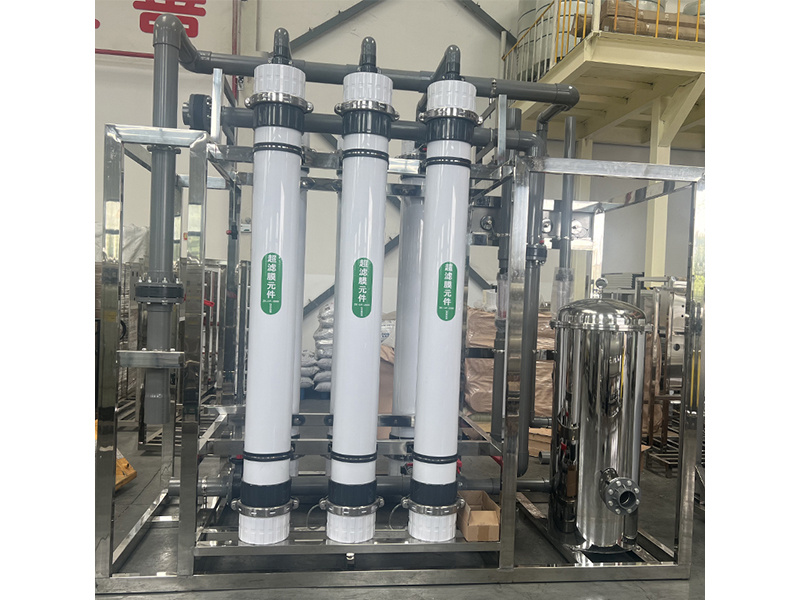
Modular water treatment systems are pre-fabricated units designed for efficient and flexible processing of water and wastewater. These systems are particularly beneficial because they can be tailored to fit specific water treatment needs, making them suitable for various settings, including residential, commercial, and industrial applications. Understanding the components and functionality of these systems is crucial prior to installation.
Pre-Installation Requirements for Modular Systems
Before diving into the installation, it's essential to conduct thorough planning and preparations. Here are two critical areas to focus on:
Conducting a Site Assessment
A **site assessment** is key to identifying the most suitable location for your modular water treatment system. During this assessment, consider the following:
- **Space Requirements:** Ensure that there is ample space for the system, including room for future expansion.
- **Access Points:** Evaluate access for maintenance and operation.
- **Environmental Factors:** Assess soil stability, drainage patterns, and proximity to existing infrastructure.
- **Utility Availability:** Confirm access to necessary utilities such as power and water supply.
Permitting and Regulatory Compliance
Ensure compliance with local, state, and federal regulations before proceeding with the installation. This might involve obtaining necessary **permits** for construction and installation, as well as adhering to safety and environmental standards. Engaging with local authorities early in the process can facilitate a smoother installation.
Equipment and Tools Needed for Installation
A successful installation requires the right tools and equipment. Below is a list of essential items you should gather:
- **Excavation Equipment:** Backhoes, shovels, and other earthmoving tools for preparing the site.
- **Leveling Tools:** Laser levels or string lines to ensure proper alignment.
- **Piping Materials:** PVC or HDPE pipes suitable for water treatment applications.
- **Wrenches and Socket Sets:** For tightening and securing fittings and connections.
- **Electrical Tools:** Wire strippers, voltage testers, and other necessary tools for electrical work.
- **Safety Gear:** Gloves, helmets, goggles, and other personal protective equipment (PPE).
Step-by-Step Installation Process
Now that you have prepared your site and gathered your tools, it's time to dive into the installation process. Follow these steps to ensure a successful setup.
Foundation Preparation
The first step in the installation process is to prepare a solid and stable foundation for the modular units. Here’s how to do it:
1. **Excavate the Area:** Clear and excavate the designated area for your modular units, ensuring you achieve the required depth.
2. **Level the Ground:** Use a leveling tool to ensure the ground is flat and even. This helps prevent uneven settling of the modular units.
3. **Install a Base Layer:** Lay down a base layer of gravel or concrete to provide a sturdy foundation.
Placing the Modular Units
Once the foundation is ready, it’s time to position the modular units.
1. **Use a Crane or Forklift:** For larger modular units, employ a crane or forklift to safely lift and place the units in their designated spots.
2. **Align Units Properly:** Ensure that the units are aligned according to the provided installation blueprint, maintaining the correct distances between units.
Connecting Piping and Valves
After placing the modular units, the next step is to connect the necessary piping and valves.
1. **Connect Inlet and Outlet Pipes:** Install the inlet and outlet pipes according to the layout plans. Ensure all connections are secure and leak-proof.
2. **Install Valves:** Fit valves at appropriate locations to control water flow and facilitate maintenance.
Making Electrical Connections
With the piping in place, it’s time to handle the electrical connections.
1. **Follow Electrical Plans:** Use the electrical schematics provided to guide your connections.
2. **Install Control Panels:** Set up control panels and ensure all wiring is properly insulated and secured.
3. **Perform Safety Checks:** Conduct a thorough inspection of all electrical components to ensure safety and compliance with codes.
Final Checks and Testing
Before officially launching your modular water treatment system, conduct final checks and tests.
1. **Check for Leaks:** Inspect all joints and connections for any signs of leaks. Tighten connections as needed.
2. **Calibrate the System:** Adjust settings on the control panel as per the manufacturer’s instructions.
3. **Run a Test Cycle:** Execute a test cycle to ensure the system operates as intended. Monitor performance and make adjustments as necessary.
Common Installation Challenges and Solutions
Even with thorough planning, challenges can arise during installation. Here are some common issues and how to address them:
- **Uneven Ground:** If the ground isn’t level, it can lead to improper functioning. Ensure the foundation is adequately leveled before proceeding.
- **Delays in Permitting:** If permits take longer than expected, maintain communication with the authorities to expedite the process.
- **Incorrect System Configuration:** Always double-check that all components are compatible and follow the manufacturer's guidelines.
Maintenance Tips for Modular Water Treatment Systems
To ensure the longevity and efficiency of your modular water treatment system, regular maintenance is essential:
1. **Routine Inspections:** Schedule regular inspections to identify and address any potential issues early.
2. **Clean Filters and Screens:** Regularly clean or replace filters and screens to maintain optimal performance.
3. **Monitor System Performance:** Keep track of system performance metrics to identify any irregularities in operation.
Frequently Asked Questions (FAQs)
1. What is a modular water treatment system?
A modular water treatment system consists of prefabricated, self-contained units designed for efficient water and wastewater processing.
2. How long does the installation process take?
Installation time can vary, but generally, it can take anywhere from a few days to a couple of weeks, depending on system size and complexity.
3. Do I need special training to install a modular water treatment system?
While some technical knowledge is beneficial, many modular systems are designed for simpler installation. However, professional assistance is recommended for optimal results.
4. What kind of maintenance is required?
Regular maintenance includes inspections, cleaning filters, and monitoring system performance.
5. What are common issues faced during installation?
Common issues include uneven ground, delays in permitting, and incorrect system configuration.
Conclusion
Installing a modular water treatment system can be a complex yet rewarding endeavor. By following this comprehensive installation guide, you can navigate the process with confidence. From pre-installation preparations to the final checks, each step is crucial in ensuring your water treatment system operates efficiently. Regular maintenance further enhances the longevity and effectiveness of your system, making it a valuable asset for any water treatment application. With this guide in hand, you're well on your way to achieving optimal water treatment solutions tailored to your specific needs.

Phone/WhatsApp:
Email:
About Us
Jingter environmental protection is a professional engaged in water treatment equipment and environmental protection equipment, research and development,production, sales, technical services and engineering contracting company
HUATAO GROUP


Leave Message
If you have any queries about us or our product(s), feel free to drop us a message.